The Essential Guide
to Rye Whiskey
The History of Rye in America
The Arrival of Rye in America
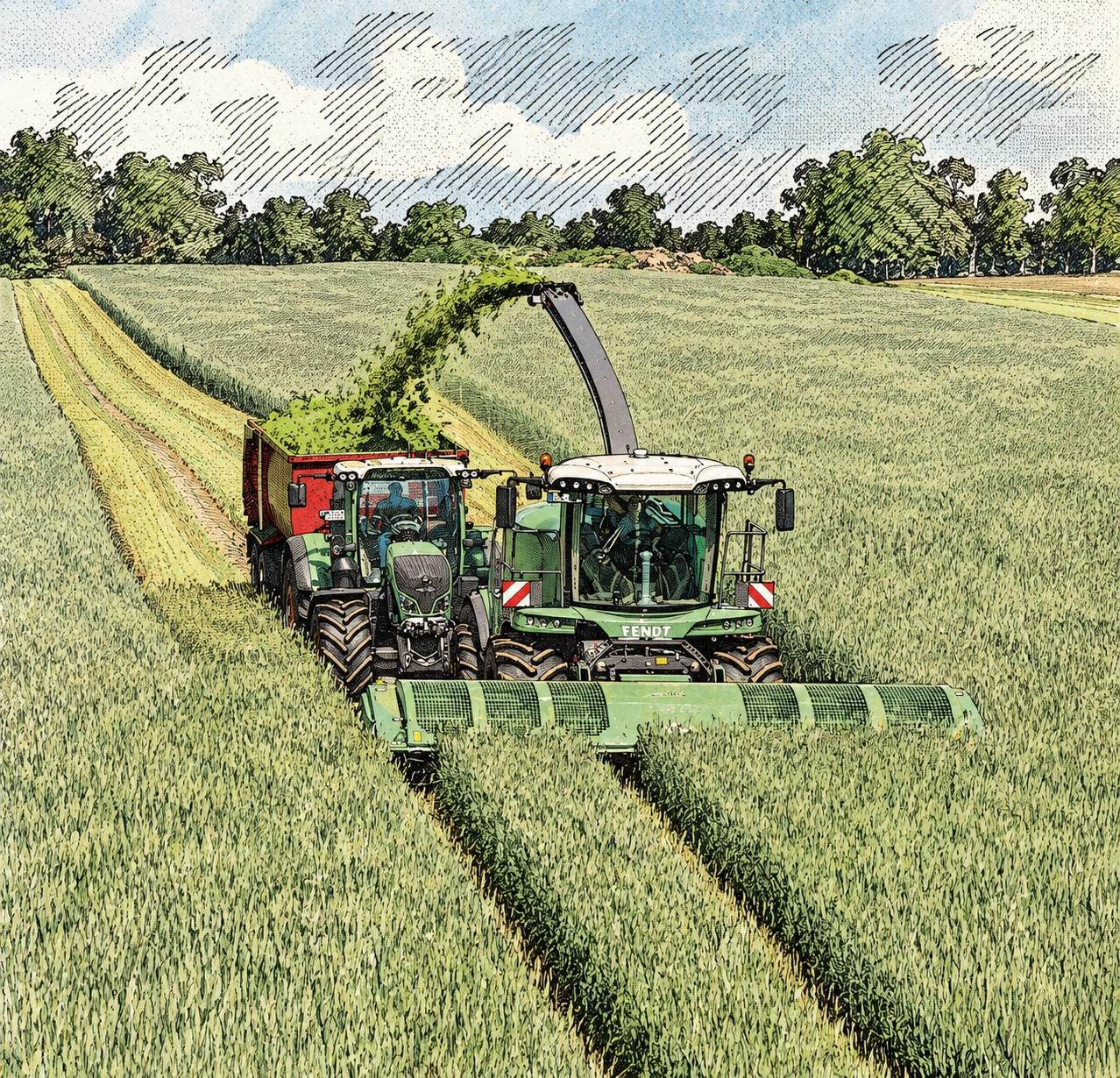
Rye has shaped the story of American whiskey for more than three centuries. Introduced to North America by European settlers during the 17th century, the grain flourished in the colder climates and poorer soils of the Mid-Atlantic and Northeast, making it a natural choice for early distillers.
Maryland & Pennsylvania Find their Identity
By the early 1700s, rye whiskey production was firmly established in Pennsylvania and Maryland. These neighbouring regions developed distinct identities. Pennsylvania became known for bold, dry and peppery rye whiskeys, while Maryland earned a reputation for a smoother, more rounded style that balanced spice with approachability.

Whiskey Helps Shape a Nation
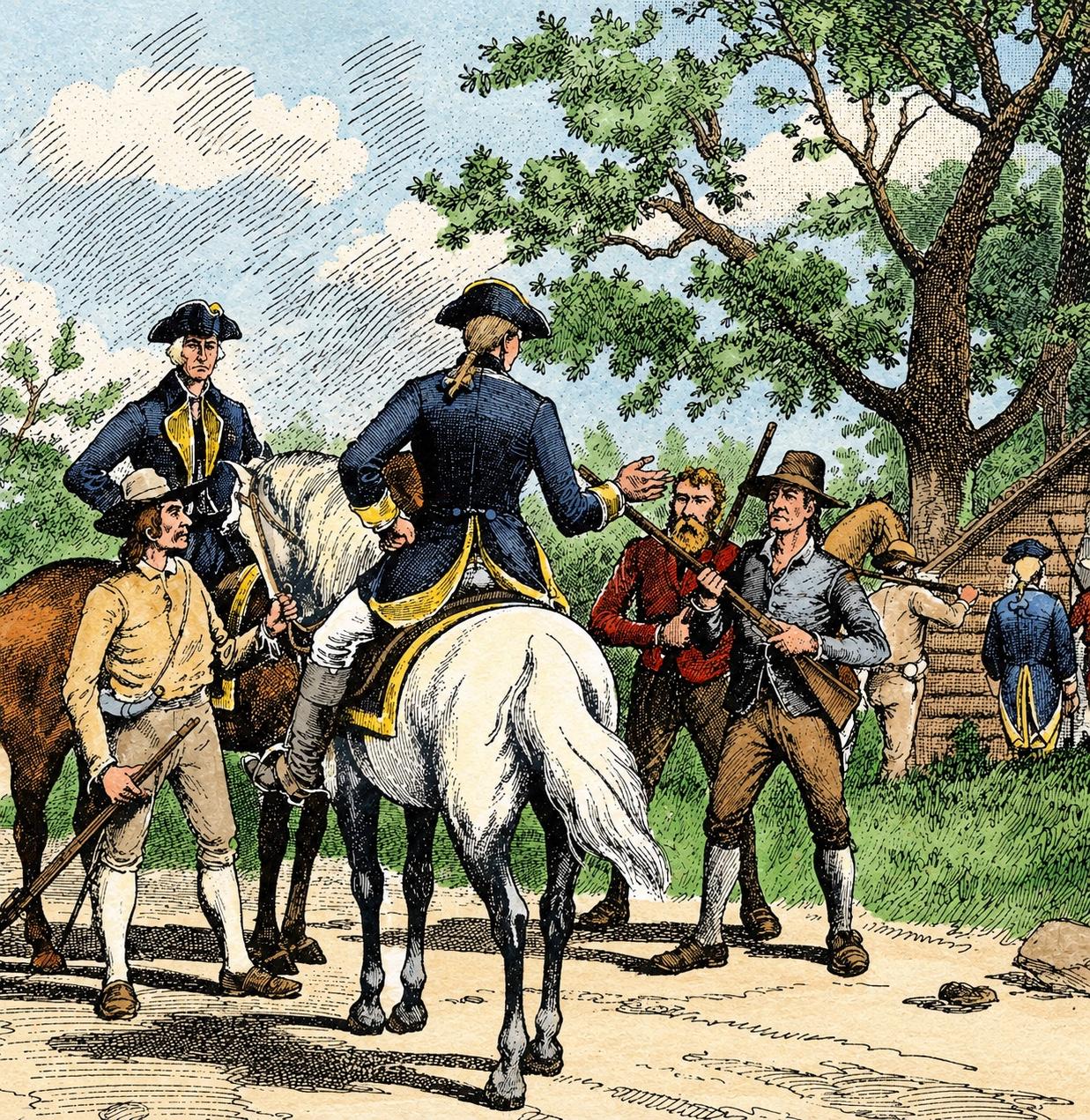
Following the American Revolution, whiskey became an important agricultural commodity, allowing farmers to convert surplus grain into a more valuable and transportable product. The introduction of the Whiskey Excise Tax in 1791 sparked the Whiskey Rebellion, a defining moment in American history that ultimately established the authority of the new federal government under President George Washington.
America’s Favourite Whiskey
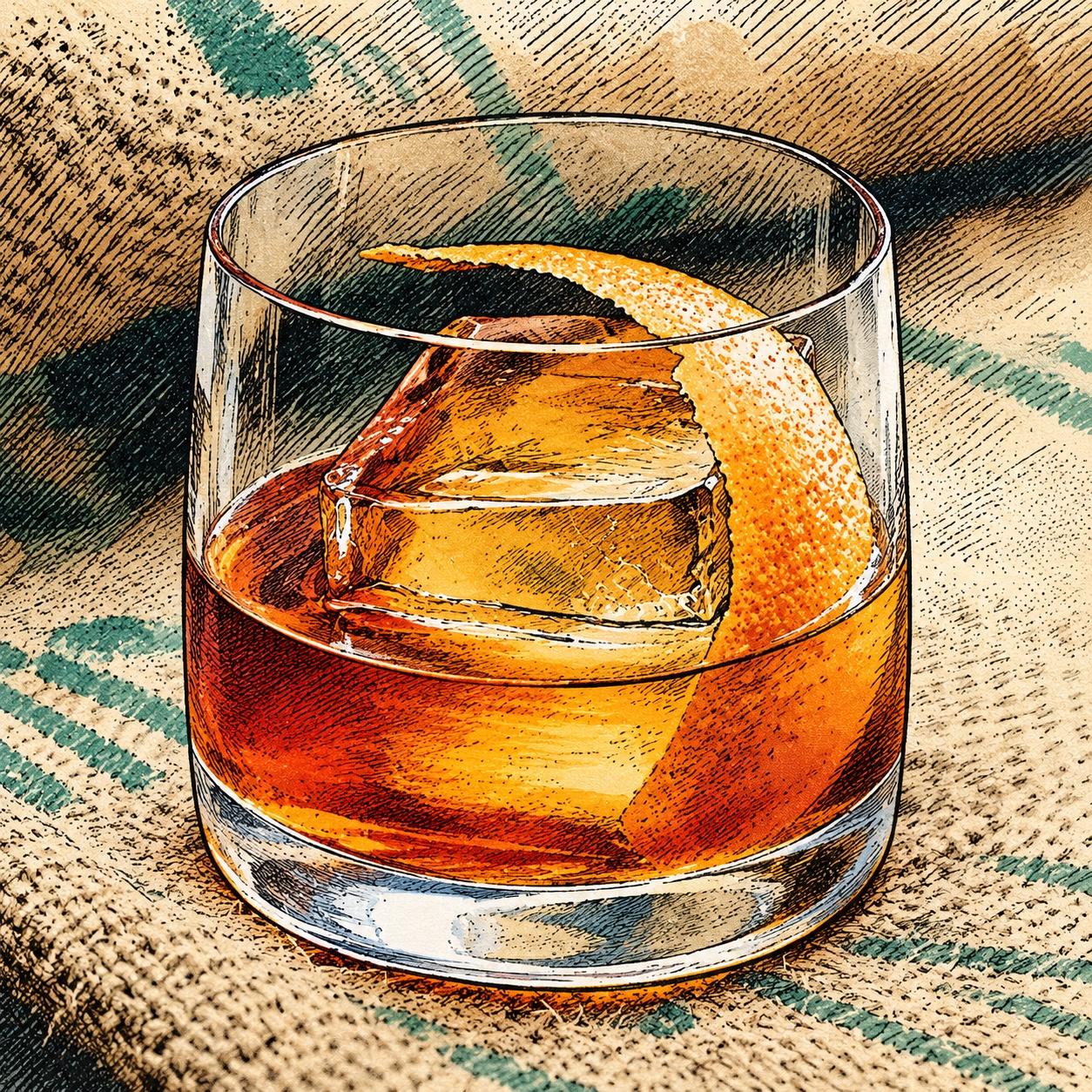
Throughout the 19th century, rye was America’s dominant whiskey style. Production expanded rapidly, and rye became both the everyday whiskey of the Mid-Atlantic and a cornerstone of the country’s emerging cocktail culture. Classics such as the Old Fashioned, Manhattan and Sazerac all relied on rye’s distinctive spice and structure.
Decline and Near Disappearance
Prohibition transformed the category.
Hundreds of distilleries closed, including many of Maryland’s historic rye producers, and much of the industry’s expertise was lost. After repeal, Kentucky’s larger distilleries recovered more quickly, while government subsidies favoured bourbon. By the 1970s, Maryland rye had all but disappeared.
The Revival of Maryland Rye
The 21st century has seen a remarkable revival. Renewed interest in classic cocktails, growing appreciation for flavour-led whiskey, and the rise of craft distilling have returned rye to prominence. Alongside this resurgence has come the revival of Maryland Rye, reconnecting today’s distillers with one of America’s great regional whiskey traditions and a history that stretches back more than 300 years.


Rye vs Bourbon
Understanding the differences between America’s two defining whiskey styles.
Rye and bourbon are both legally recognised categories of American whiskey, sharing many of the same production regulations while differing fundamentally in their grain composition. These differences influence every stage of production, from fermentation through to flavour and texture in the finished spirit.
The defining distinction is the mash bill. Under US federal law, bourbon must be produced from a grain recipe containing at least 51% corn, while rye whiskey must contain a minimum of 51% rye grain. The remaining percentage is typically made up of malted barley and other cereal grains such as corn, rye or wheat, depending on the distillery’s preferred recipe.
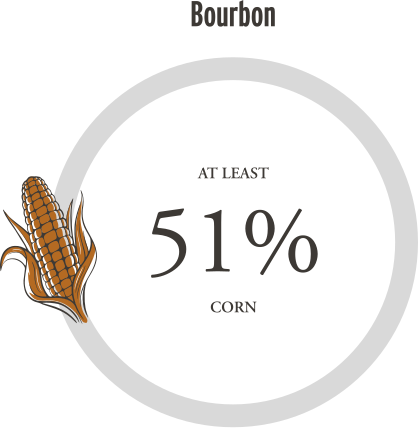
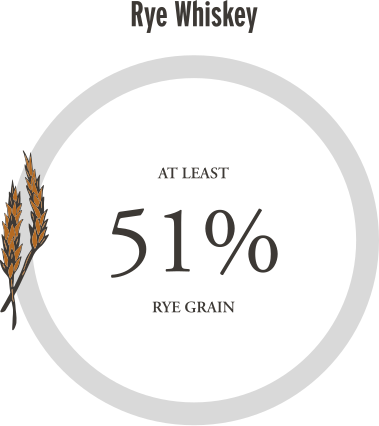
Bourbon has at least 51% corn, while rye whiskey has 51% rye. Other grains vary by distillery.
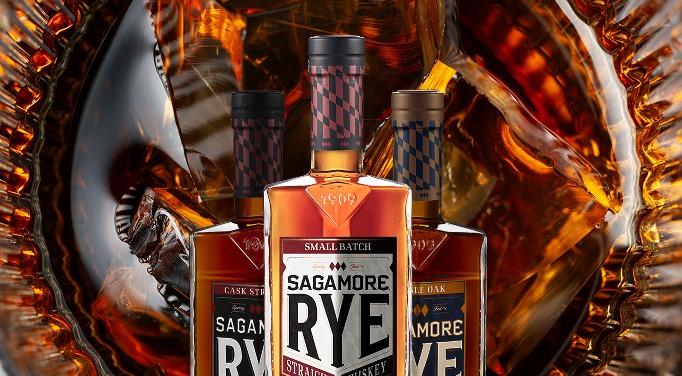
This positioning allows Sagamore Whiskey to move beyond being seen as just another rye whiskey and become the modern expression of a historic style and contemporary lifestyle, brought to life through activations, experiences and occasions that make the spirit of Maryland relevant everywhere.
Our commitment to quality is evident in every bottle of Sagamore Whiskey. We use 100% non-GMO corn and meticulously blend our two mash bills, ensuring the signature Maryland-style rye flavor. Each batch is hand-bottled and non-chill filtered, guaranteeing an authentic and rich-tasting experience. This attention to detail extends to our locally sourced ingredients and farming partnerships - our support of the community is woven into the fabric of our brand. It’s not just about great whiskey; it’s about being a good neighbor and steward.
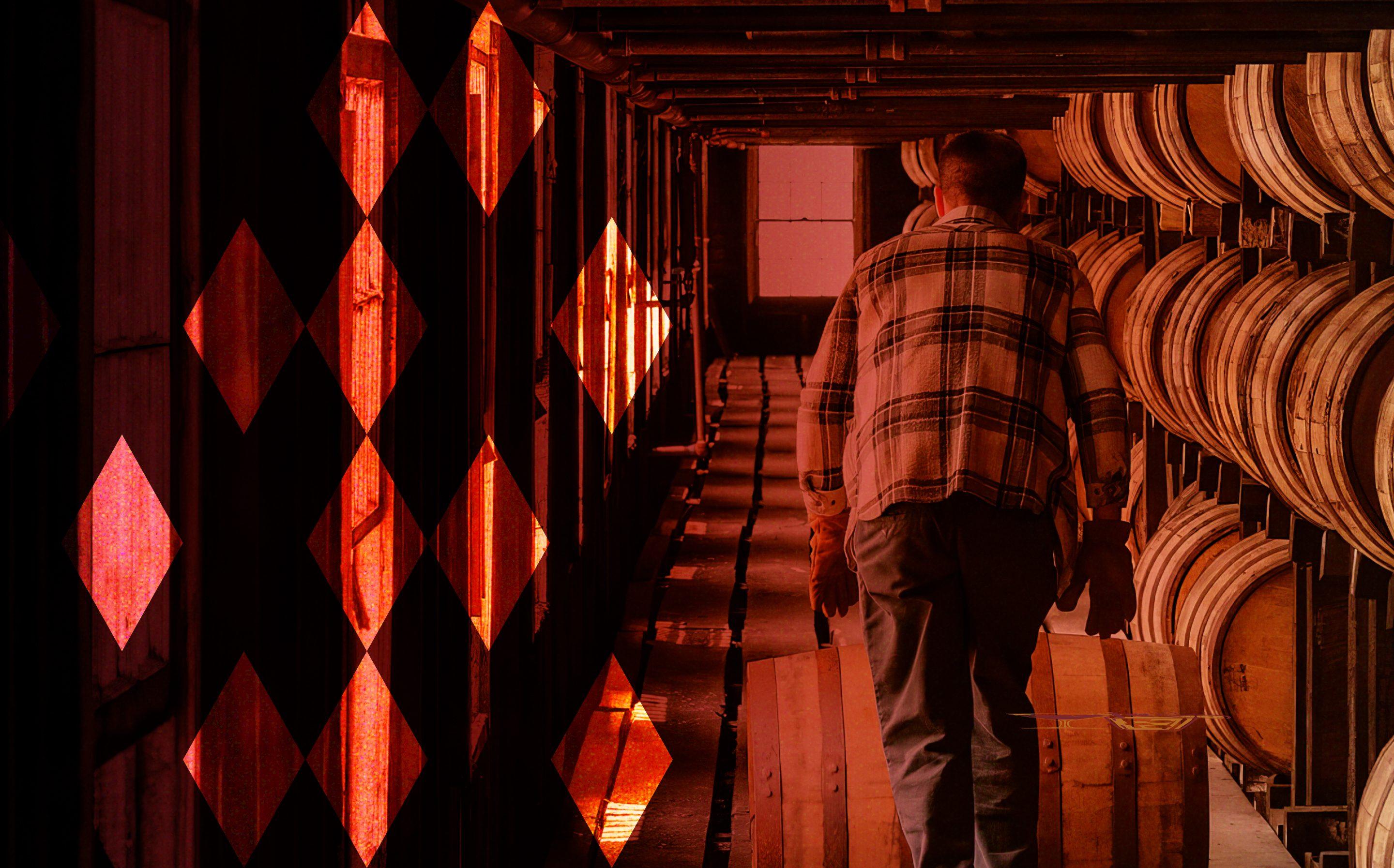
Both spirits must be distilled in the United States to no more than 80% ABV (160 proof) before being filled into new, charred oak barrels at a maximum of 62.5% ABV (125 proof). They must be bottled at a minimum of 40% ABV (80 proof) and cannot contain added flavourings or colourings. If labelled as Straight Rye Whiskey or Straight Bourbon Whiskey, the spirit must be aged for a minimum of two years. Where the whiskey has been matured for less than four years, the age must be declared on the label. After four years, age statements become optional and if a brand chooses to leave an age off the label, it simply means the youngest whiskey inside has been aged for at least four years.
80% ABV
Maximum distillation proof
62.5% ABV
Maximum barrel entry proof
40% ABV
Minimum bottling strength
The three numbers that define American Rye and Bourbon Whiskey.
While the legal requirements are almost identical, the grain recipe creates two distinctly different flavour profiles. Corn contributes sweetness, body and viscosity, with bourbon typically displaying notes of caramel, vanilla, honey, toasted oak and ripe fruit. Rye grain contains considerably less natural sugar and produces a whiskey that is generally drier and more structured, with flavours of black pepper, clove, cinnamon, herbs, citrus and baking spice. Rye is also often perceived as having a longer, more pronounced finish.
Maryland rye is different again and displays a much softer texture, a less aggressive spice, a rounded profile, and an easier drinking character. Where many ryes lead with pepper and dryness, Maryland rye is traditionally gentler and more elegant, with flavours of orange peel, stone fruit, cherry, red apple, caramel, honey, and baking spice.
As an important technical note: there is no strict modern legal definition of “Maryland Style” the way there is for bourbon. It is a historical style and a regional identity rather than a regulated category and Sagamore’s commitment to it is a choice, not a requirement - which makes it more meaningful, not less.
Why Rye Matters Now
A modern revival, driven by appreciation for flavour.
Rye whiskey has deep roots in American cocktail culture, appearing in classic serves and bars in the 19th century. The Manhattan, Sazerac, Vieux Carré, and Whiskey Sour were built with rye for its spice, structure, and character.
That history matters today. The contemporary cocktail revival has put rye firmly back on menus, and the premium end of the American rye category is now growing faster than most other whiskey segments. More drinkers are moving from bourbon into rye as they develop their palates. More bartenders are using the category’s depth to educate guests and build loyalty.
Sagamore Whiskey stands apart by delivering what today’s whiskey drinkers increasingly want: bold flavor with real balance, for use in cocktails but good enough to sip neat. While many ryes can be too sharp, too sweet, or too one-dimensional, Sagamore offers layered spice, rich texture, and remarkable smoothness in one distinctive pour. It performs beautifully in cocktails, drinks effortlessly neat, and represents a modern premium rye built for both enthusiasts and new drinkers alike.
For anyone working in hospitality, this is the moment to know the category well. A guest who understands what Maryland Style is - explained by someone they trust - will order it again, ask for it by name, and recommend it to others.

The last whiskey boom was built around scarcity and status. The next era will be built around experience, versatility and connection.
Sagamore Production Explained
A bold new chapter for American rye.
Rye whiskey has deep roots in American cocktail culture, appearing in classic serves and bars in the 19th century. The Manhattan, Sazerac, Vieux Carré, and Whiskey Sour were built with rye for its spice and character.
The Grain
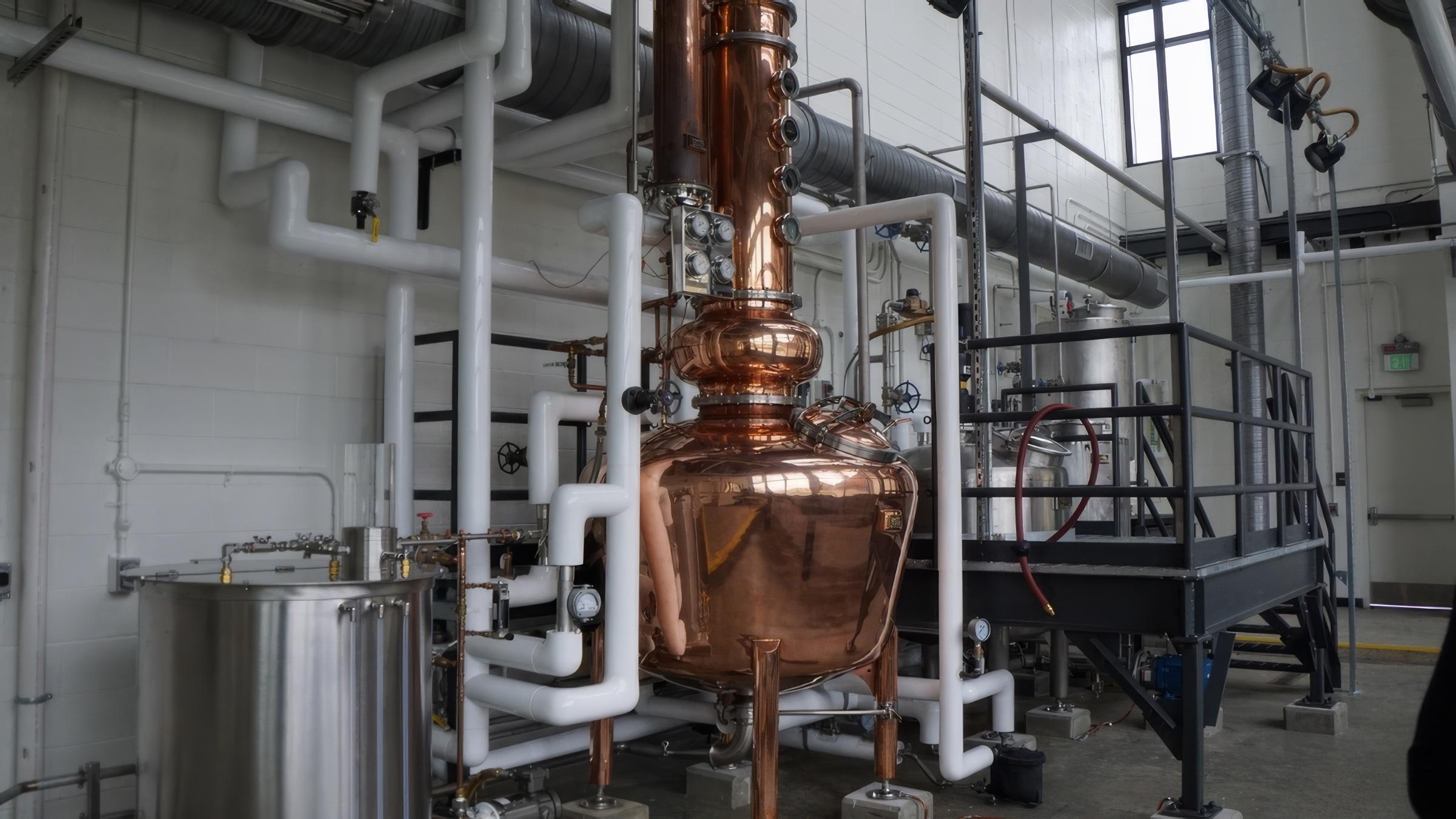
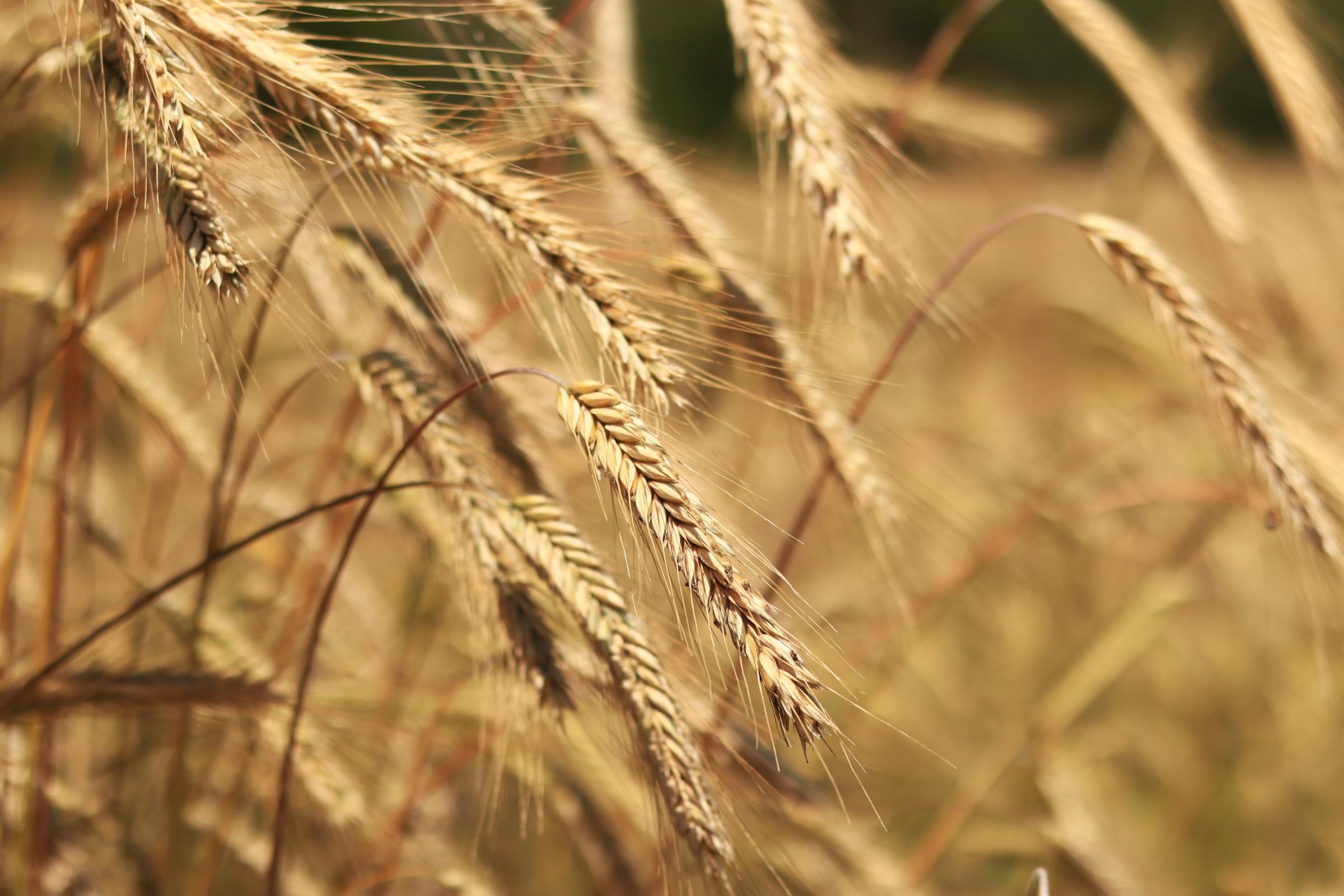
Sagamore’s approach features two mash bills, each fermented and distilled separately before blending. The high rye adds spice and structure, while the low rye, high corn mash bill offers sweetness and a richer texture. This philosophy creates a balanced whiskey combining rye’s spice with depth. Central to this is Serafino Rye, chosen for its quality and sourced through local farming partnerships.

Two Terms. One Brand.
Maryland Rye is about origin. Maryland Style is about character.
Maryland Rye describes where a whiskey is made and what it is made from: rye whiskey produced in Maryland with a mash bill containing at least 51% rye. It tells you the geography and the grain.
Maryland Style Whiskey goes further. It describes a flavor and production philosophy - a modern interpretation of more than 250 years of distilling history, reimagined following Prohibition and the post-war decline of Maryland whiskey. It honors generations of varied traditions while innovating flavor for today’s consumer. It tells you the character, the method, and the point of view.
At Sagamore, we own both truths. Our dual mash bill and triple distillation process balances rye spice with sweetness and fruit, creating a smooth, versatile expression of Maryland Style. With the added benefit of being made in Maryland.
Maryland Style is not one historic recipe. It is Sagamore’s modern approach to creating balanced, characterful and versatile American whiskey.
Maryland Style Straight Rye Whiskey
IMPORTANT NOTE: There is no strict modern legal definition of “Maryland Style Whiskey” the way there is for bourbon. It is a historical style + regional identity rather than a regulated category.

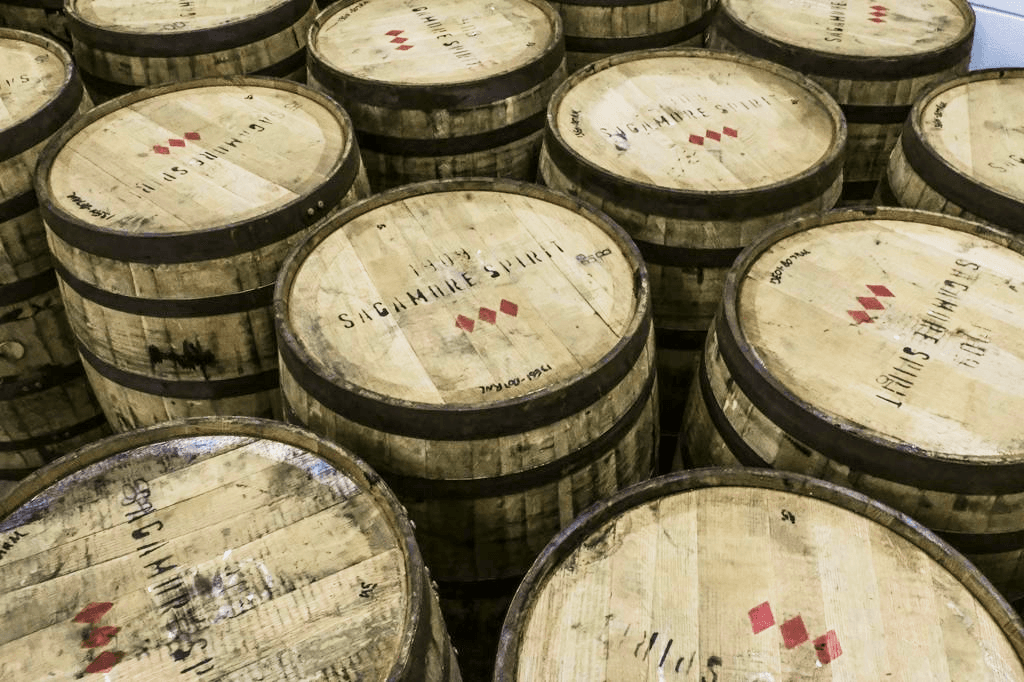
Aged for a minimum of 2 years in new charred oak barrels

Made from at least 51% fermented rye with corn in mash bill

Well rounded and balanced. Made to sip, share, and enjoy.

Our Whiskeys
Discover More